Are you thinking about downsizing in Webster Groves, but not ready to leave the community you know so well? That is a common goal here, especially in a city where many residents stay put and put down deep roots. If you want less upkeep without giving up your routines, favorite streets, and local connections, there is a smart way to plan it. Let’s dive in.
Why downsizing feels different here
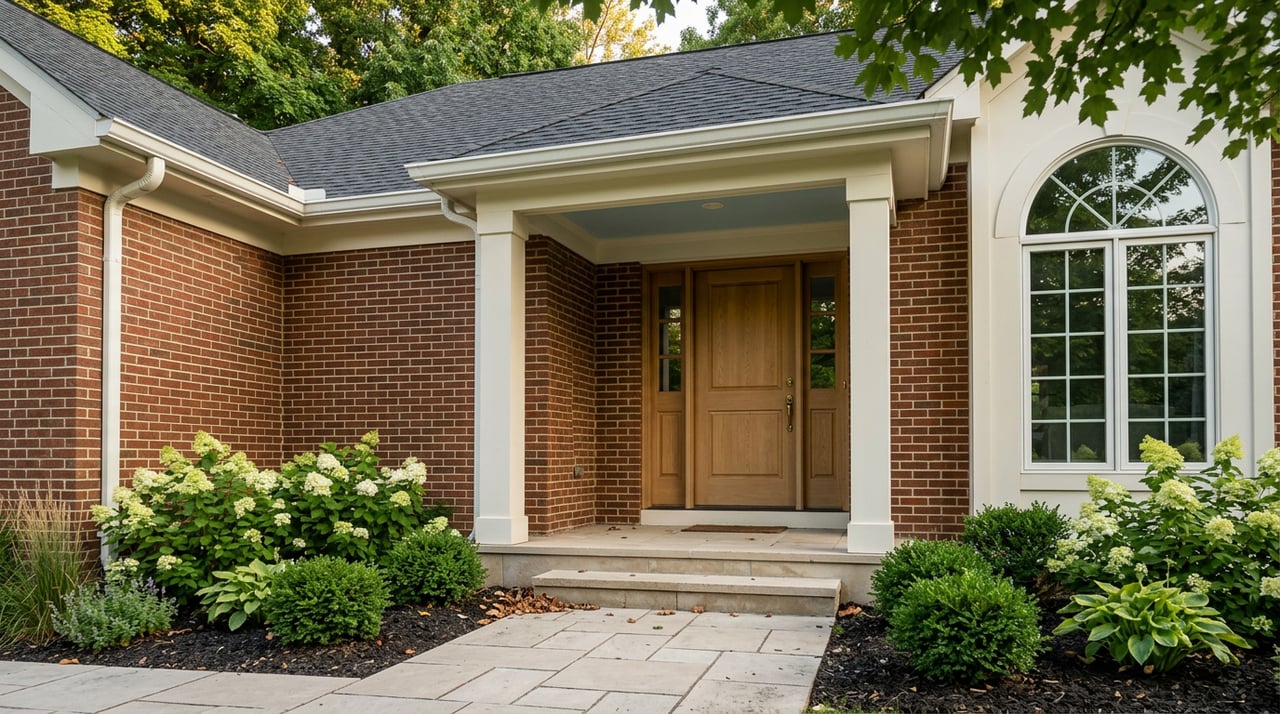
Downsizing in Webster Groves is often less about leaving and more about right-sizing while staying local. The city has a strong residential identity, with a 76.1% owner-occupied housing rate and 91.0% of residents living in the same house one year ago. That kind of stability helps explain why many moves here are driven by lifestyle changes, not a desire to leave the area.
Webster Groves also has a housing stock that shapes how downsizing works. According to the city’s comprehensive plan, 88% of residential land is single-family, and most homes were built before the 1960s. That means many homeowners are selling well-loved homes with character, but finding a smaller replacement in the same city can take more planning.
What downsizing options exist in Webster Groves
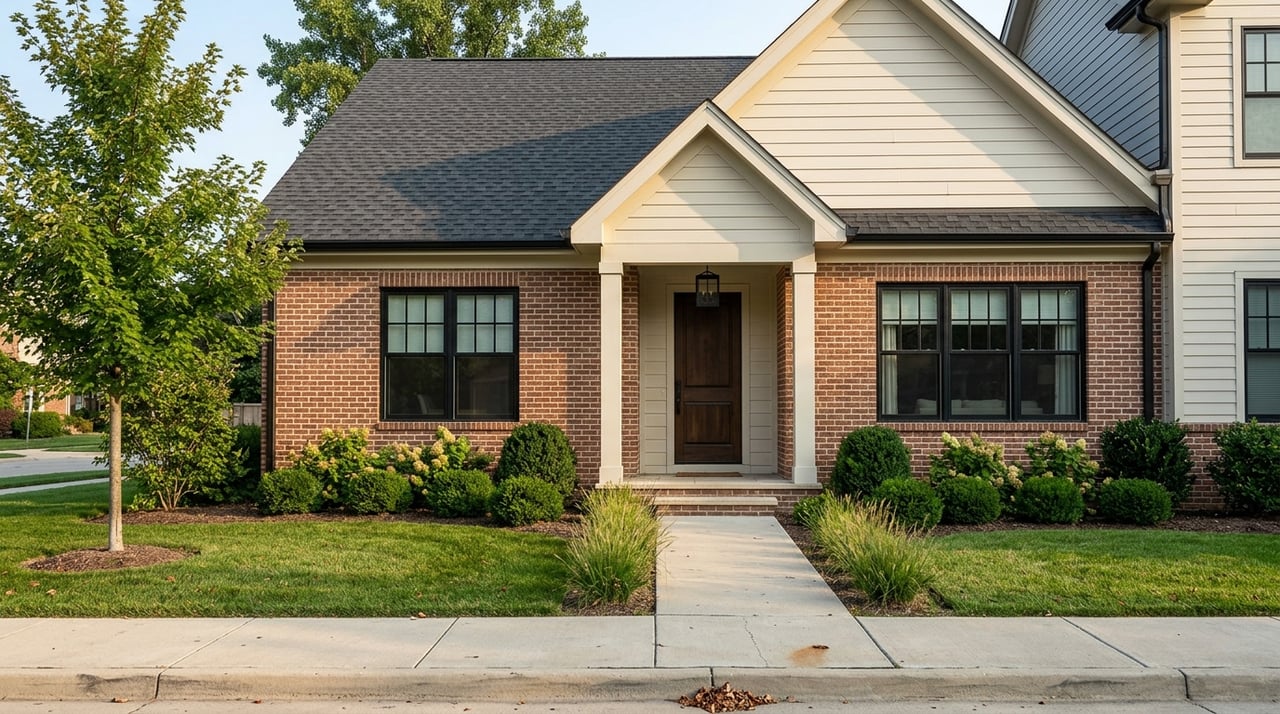
If your goal is to stay inside Webster Groves, it helps to be realistic about supply. Smaller homes, condos, and townhome-style properties do exist, but they are more limited than detached single-family homes. Recent local inventory has included 2-bedroom homes and condo options such as properties at Berry Grove Condominiums and Webster Oaks.
Downsizing can also mean something broader than buying a smaller house. The city notes that multiple senior living facilities in Webster Groves give residents ways to remain local as housing needs change. For some homeowners, that flexibility is an important part of the conversation.
Look nearby for lower maintenance
If you want to stay close, but not necessarily inside city limits, expanding your search can help. Nearby inner-ring suburbs like Maplewood and Shrewsbury have recently offered condo-style options, including smaller one-bedroom and two-bedroom properties. That makes the immediate area around Webster Groves a practical search ring for owners who want a lower-maintenance home without moving far away.
This approach can open up more choices while keeping your daily life familiar. You may still be close to the same shops, routes, and community connections, but with a home that better fits your next chapter.
Why starting early matters
One of the biggest downsizing mistakes is waiting too long to start the next-home search. In Webster Groves, smaller-home inventory is limited, so it often makes sense to begin exploring options before your current home goes on the market. That gives you time to understand what is actually available and what trade-offs may come with staying local.
Recent market snapshots suggest the area remains active enough to support a coordinated move. Over the three months ending May 2026, Redfin reported a median sale price of about $419,749 and an average of 5 days on market. Realtor.com also reported 77 homes for sale and a median listing price of $418,000 in May 2026.
That kind of pace can work in your favor if your home is well prepared. It also means you need a clear plan for what happens next once your house attracts buyers quickly.
Build your timing around the local process
In Webster Groves, timing is not just about the market. It is also about the city’s required ownership-change process. When a house or condominium changes ownership, the city requires an inspection, a Certificate of Compliance, and an Occupancy Permit for the new occupant.
The city says inspections usually take 60 to 90 minutes, require a $75 fee paid 24 hours in advance, and the Certificate of Compliance is valid for up to three months. A property can be sold as-is, but it cannot be occupied until violations are corrected. The city also encourages buyers to get an independent inspection.
For many sellers, this means your move timeline should account for more than just list date and closing date. You also need enough room for inspections, any required corrections, and a smooth handoff to the next owner.
A practical downsizing sequence
For many homeowners, a thoughtful order of operations makes the move easier. If you are trying to sell and buy while staying local, this sequence often helps:
- Start researching smaller-home options early.
- Prepare financing before your current home is listed.
- Get your home ready for market with visible, high-impact improvements.
- Plan contract timing around your next purchase and the city inspection process.
- Coordinate move-out dates carefully so you are not rushed.
The goal is to reduce overlap, stress, and last-minute decisions. In a market where homes can move quickly, preparation gives you more control.
Which pre-listing updates matter most
If you are selling a larger or older Webster Groves home, you may wonder how much work to do before listing. In many cases, the best return comes from presentation and selective repairs, not a full renovation. That is especially true in a city with older homes and permit requirements tied to more extensive interior work.
The strongest updates are often the ones buyers notice right away. The 2025 NAR staging report found that 29% of agents saw a 1% to 10% increase in value from staging, and 49% saw faster sales. The rooms viewed as most important to stage were the living room, primary bedroom, and kitchen.
The most common seller recommendations were straightforward:
- Decluttering
- Deep cleaning
- Improving curb appeal
- Creating a more polished first impression
These steps are often especially effective for downsizers because they support two goals at once. You make your current home more appealing to buyers, and you begin simplifying your move.
Focus on small upgrades with visible impact
When homeowners do spend money before listing, smaller visible projects can make sense. NAR’s 2025 Remodeling Impact Report identified projects with strong resale appeal, including a new steel front door, closet renovation, new fiberglass front door, and new vinyl or wood windows. Kitchen updates also remained attractive interior projects.
That guidance fits Webster Groves well. Many homes here were built before modern building codes, and the city says kitchen or bath remodels require an interior renovation permit and must be upgraded to current minimum standards. If your home is in a historic district, exterior changes may also require extra care because of the city’s historic preservation framework.
For many sellers, that means it is wise to avoid over-improving. A clean, well-staged home with a short list of visible repairs often makes more sense than taking on a major project that adds time, cost, and permit complexity.
Why local coordination matters
A downsizing move has more moving parts than many people expect. You are not just selling one house and buying another. You may also be sorting decades of belongings, narrowing your housing options, timing inspections, and trying to stay close to the life you already built.
That is why a coordinated plan matters. The right support can help you decide what to update, when to list, how to time your next purchase, and how to keep the process moving when inventory is tight.
Staying rooted while simplifying
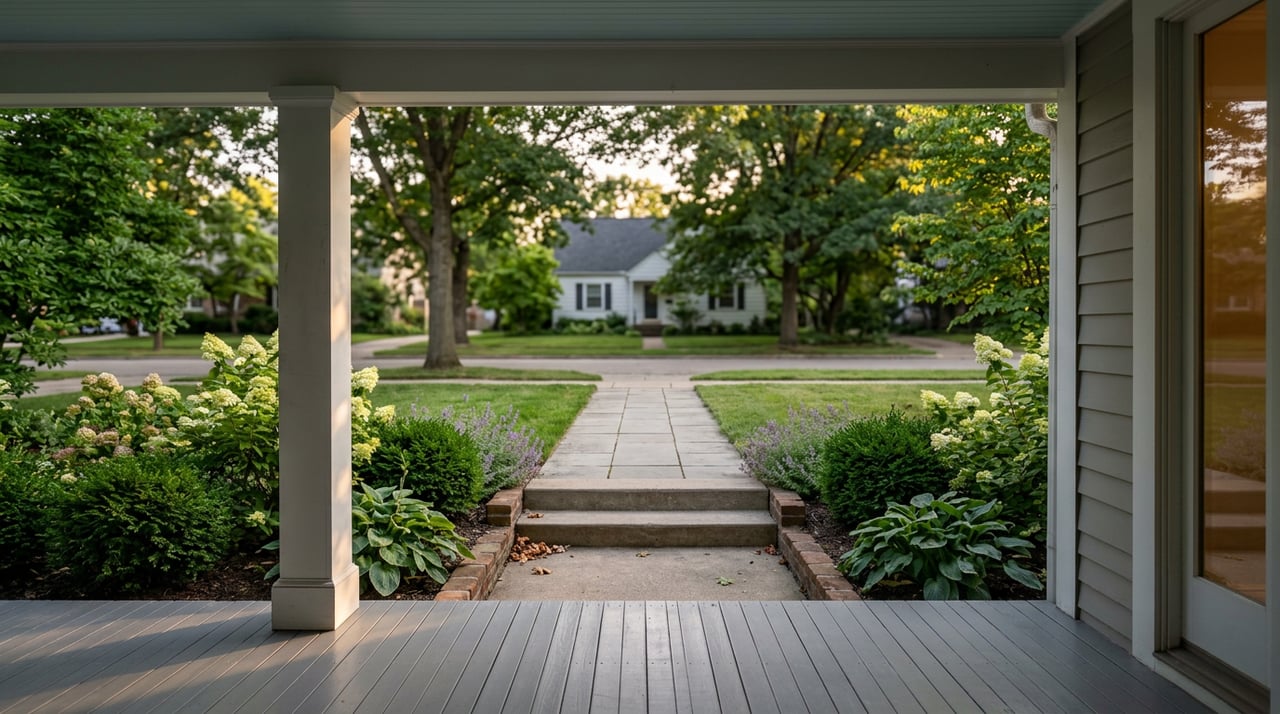
Webster Groves is a place people tend to hold onto for good reason. It is walkable, historic, and deeply residential, and the city’s current planning direction specifically recognizes the needs of downsizing residents who want to remain local. Even so, today’s housing stock still leans heavily toward older single-family homes, which makes strategy important.
If you are thinking about downsizing in Webster Groves, the key is to start early, stay realistic about your options, and focus your selling prep where it will count most. With the right plan, you can simplify your home without giving up the community that still feels like home.
If you are planning a move and want a clear, locally informed strategy, the Laura Sanders Team can help you prepare, market, and coordinate your next step with confidence.
FAQs
What does downsizing in Webster Groves usually look like?
- Downsizing in Webster Groves often means moving from a larger older single-family home into a smaller house, condo, townhome, or senior living option while staying in or near the community.
Are there many smaller homes in Webster Groves?
- Smaller homes and condos do exist in Webster Groves, but supply is more limited than single-family homes because the city’s housing stock is heavily made up of older detached houses.
Should you start your Webster Groves home search before listing?
- Yes. Because local lower-maintenance options can be limited, it often helps to begin your search before listing your current home.
What inspection is required when selling a home in Webster Groves?
- When ownership changes, Webster Groves requires an inspection, a Certificate of Compliance, and an Occupancy Permit for the new occupant.
Which updates help most before listing a Webster Groves home?
- Decluttering, cleaning, curb appeal, staging, and a short list of visible repairs or modest upgrades often provide the best value before listing.
Is a full remodel worth it before downsizing in Webster Groves?
- Not always. For many sellers, a polished presentation and selective improvements make more sense than a major renovation, especially in older homes that may require permits and code-related upgrades.