If you are thinking about buying a rental in West County, Manchester may already be on your list. It offers a stable suburban setting, higher household incomes, and housing that fits long-term renters more than quick-turn investment plays. The real question is not whether Manchester is popular, but whether the numbers, property type, and local rules line up with your goals. Let’s dive in.
Manchester’s rental market at a glance
Manchester looks more like a steady suburban rental market than a bargain market with explosive upside. The city had an estimated population of 18,122 in July 2024, which was down 1.2% from April 2020, so this is not a place where rapid population growth is likely to carry a weak deal.
The housing profile also matters. U.S. Census data shows a 72.3% owner-occupied rate, median household income of $92,839, median gross rent of $1,248 for 2019 through 2023, and a poverty rate of 5.7%. That points to a relatively stable, household-oriented community with a smaller renter base than many denser rental markets.
Sale prices are not especially low, either. Zillow reports an average home value of $374,848, while Redfin shows a March 2026 median sale price of $350,000 and a median of 15 days on market. Redfin also describes the market as highly competitive, which means you should expect to act quickly and avoid assuming you will find a major discount.
What makes Manchester appealing to investors
For the right buyer, Manchester has a few practical advantages. It appears best suited for long-term rentals in established neighborhoods, especially if you want a property type that matches the local housing stock.
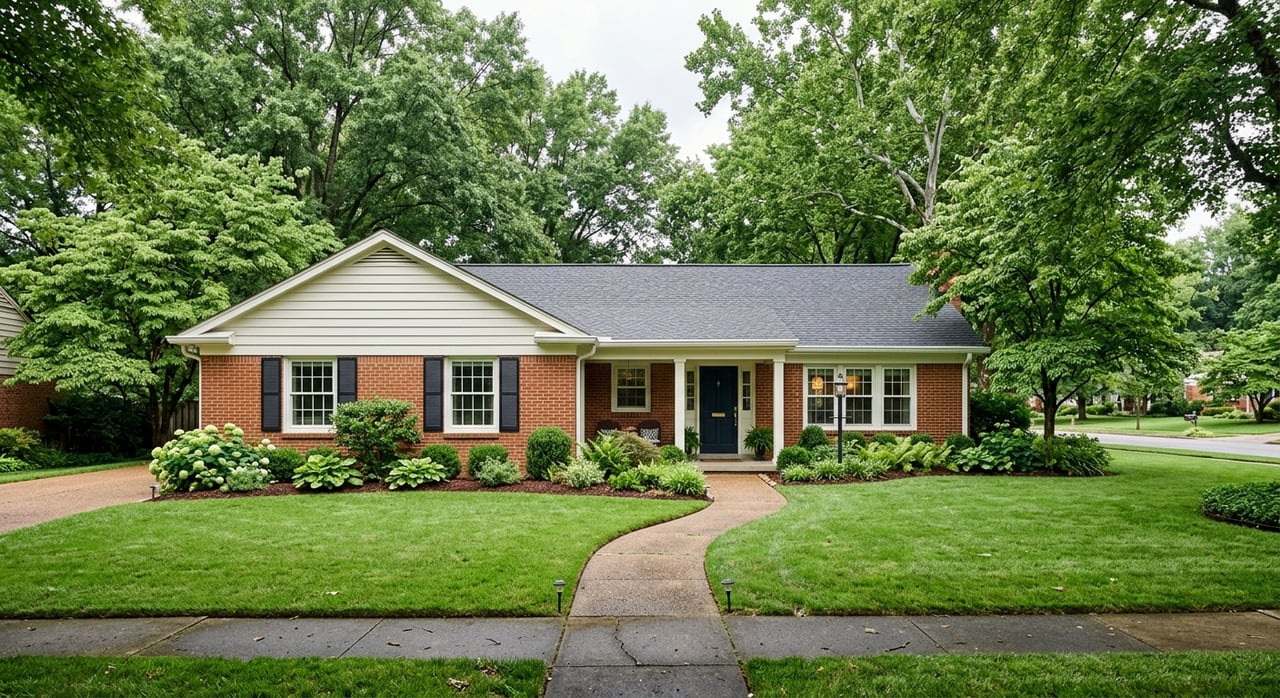
A Census-derived housing profile estimates that 72.6% of the housing stock is detached single-family homes, with another 5.2% in attached single-family homes. The median construction year is 1977, which suggests many homes may need careful inspection and realistic maintenance planning, but it also supports a rental strategy built around traditional houses rather than small apartment units.
Rent data also hints that larger homes may be the better fit. Zillow Rental Manager reports average rent of $2,000 in Manchester as of April 19, 2026, with typical asking rents of about $1,016 for one-bedroom units, $1,174 for two-bedroom units, $2,250 for three-bedroom units, and $2,900 for four-bedroom units. That spread suggests a stronger case for clean, functional three- and four-bedroom rentals than for a strategy focused on smaller units.
Best property types in Manchester
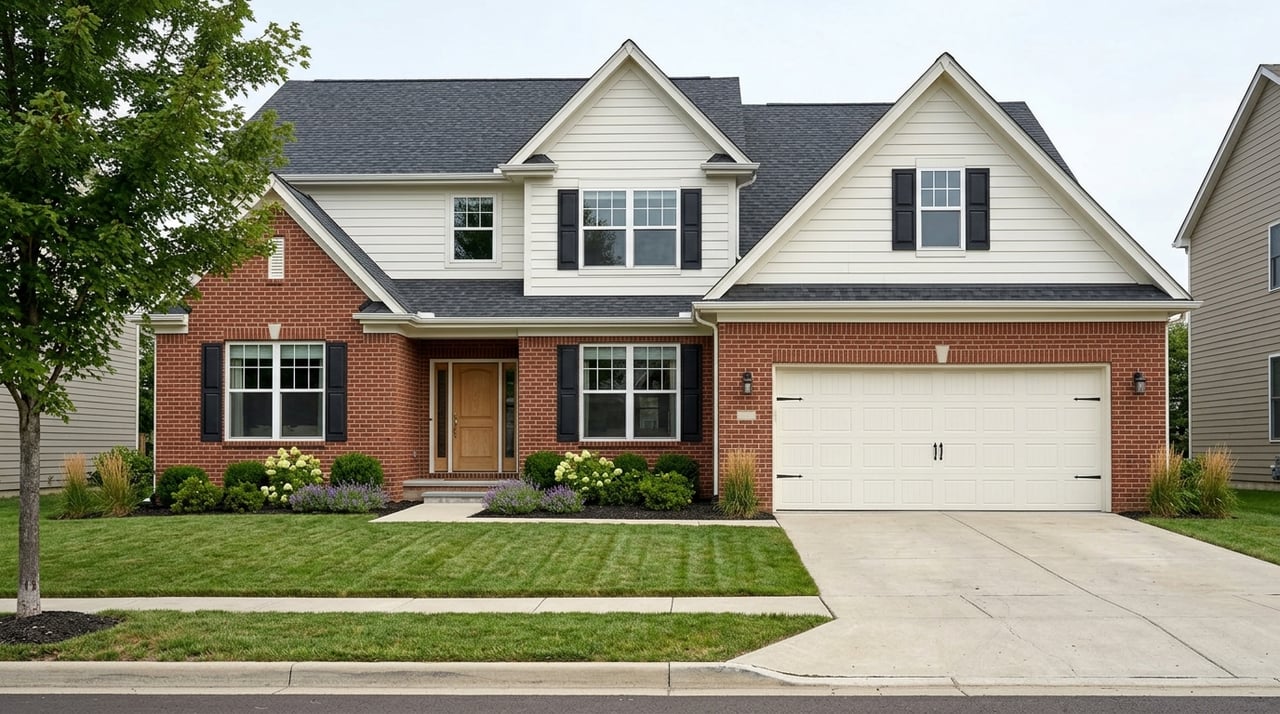
If you are a small-scale investor, Manchester appears to favor a simple playbook. Detached houses and larger townhomes line up better with the city’s housing mix, rent ladder, and occupancy rules than dense, multi-tenant setups.
That matters because many first-time investors make the mistake of treating every rental market the same. In Manchester, a detached home should be underwritten like a detached home. You should not model a three-bedroom house using rent expectations closer to a one-bedroom or two-bedroom apartment.
A long-term rental also fits the local market better than a short-term strategy. The city does not allow short-term rentals such as Airbnb, so Manchester should be viewed as a long-term hold market rather than a flexible vacation-rental market.
Key rules landlords need to know
Local rules are a big part of whether Manchester is a smart investment spot. If you ignore them, your timeline and costs can change quickly.
Manchester requires a Residential Occupancy Permit at any change of ownership or tenancy, and permits are not transferable. The city also requires a municipal inspection with any change of ownership or occupant. The current inspection fee is $125 and includes up to two re-inspections, while the occupancy permit fee is $25.
If the property does not pass inspection, violations must be corrected and reinspected within 30 days. Once the home passes inspection, the new occupant has 90 days to obtain the permit. These are not huge costs on their own, but they can affect your turnover timing and should be built into your underwriting.
Occupancy rules are also important. Manchester limits occupancy to no more than three unrelated individuals in the same residence. That reduces the appeal of a roommate-heavy strategy and reinforces the idea that this market is better for traditional long-term households.
For multi-family apartment complexes, the city says units are inspected after each tenant change, and the complex is responsible for scheduling and paying for the inspection. If you are comparing a single-family rental with a small multi-unit option, this is one more operating detail worth pricing in.
Missouri laws that shape the deal
State law also affects your rental math and lease structure. In Missouri, cities cannot regulate the amount of rent charged for privately owned rental property, so Manchester cannot impose local rent control on private rentals.
Missouri law caps security deposits at two months’ rent. The law also requires reasonable written notice of the post-tenancy inspection, and if a landlord wrongfully withholds a deposit, a tenant can recover twice the amount wrongfully withheld. That makes accurate documentation and consistent move-out procedures especially important.
The Missouri Attorney General’s landlord-tenant guide adds a few practical reminders. Oral rental agreements are effectively month to month and require one month’s written notice to terminate, while leases for one year or more must be written and signed. The guide also notes that landlords must keep the property habitable, pay for ordinary wear-and-tear repairs, and provide written notice when ownership transfers to a new landlord.
How the numbers may work
Manchester can work on paper, but only if you underwrite carefully. This is not the kind of market where loose assumptions leave much margin for error.
A simple gross-yield check can help frame the opportunity. Using Zillow’s average rent of $2,000 against Zillow’s average home value of $374,848 gives a rough gross yield of about 6.4% before taxes, insurance, vacancy, maintenance, and financing.
Using Zillow’s reported three-bedroom rent of $2,250 against Redfin’s median sale price of $350,000 produces an estimated gross yield of about 7.7%. That is more promising, but it still depends on buying the right property, confirming real rent comps, and accounting for turnover and repair costs.
Here is the bigger lesson: public rent benchmarks do not match perfectly. Census QuickFacts reports median gross rent of $1,248, while Zillow reports average rent of $2,000 and shows a wide spread by bedroom count. That is why you should triangulate from active rent comps, recent sale prices, and local compliance costs instead of relying on one citywide average.
Common mistakes to avoid
Manchester is probably not a market where you can buy loosely and figure it out later. A few common mistakes can turn an average deal into a frustrating one.
Using the wrong rent benchmark
A one-bedroom average tells you very little about a three-bedroom house. Since the city’s rent ladder varies so much by unit size, your rent estimate should match the exact property type you plan to buy.
Ignoring turnover costs and timing
An inspection fee, permit fee, correction window, and possible re-inspection may not seem dramatic. But during a vacancy, small delays can affect cash flow more than many first-time investors expect.
Planning for short-term rental income
Manchester does not allow short-term rentals. If your deal only works with Airbnb-style pricing, it is likely the wrong deal for this city.
Relying on loose lease paperwork
Missouri treats oral agreements as month-to-month arrangements. If you want stronger predictability, especially for a one-year term or longer, written and signed lease documents are essential.
Overlooking fair housing compliance
Missouri fair housing law prohibits discrimination in the sale or rental of housing based on race, color, religion, national origin, ancestry, sex, disability, or familial status. That means your advertising, screening, and application process should stay consistent, documented, and compliant.
So, is Manchester a smart spot?
Manchester can be a smart spot for rental property investing if you want a suburban, long-term rental in an established part of the St. Louis metro. It appears to make the most sense for investors targeting detached homes or larger townhomes, especially three- and four-bedroom properties that better match the local housing stock and rent structure.
It looks less attractive if you need bargain pricing, short-term rental flexibility, or easy cash flow without close attention to expenses. Between competitive sale prices, varying rent benchmarks, city inspection and permit requirements, and occupancy limits, success in Manchester depends on disciplined underwriting and a property-specific approach.
If you want help evaluating a potential rental, comparing Manchester with nearby St. Louis County options, or finding a property that better matches your investment goals, the Laura Sanders Team can help you sort through the numbers with local insight and a practical strategy.
FAQs
Is Manchester, MO good for long-term rental investing?
- Yes, Manchester appears better suited for long-term rentals than short-term strategies because the city does not allow short-term rentals and has a housing mix dominated by detached homes.
What property type fits Manchester rental demand best?
- Detached single-family homes and larger townhomes appear to be the best fit, especially three- and four-bedroom properties that align with the local housing stock and higher asking rents.
Are short-term rentals allowed in Manchester, MO?
- No, the city says it does not allow short-term rentals such as Airbnb.
What fees should Manchester landlords expect at turnover?
- At a change of ownership or tenancy, landlords should expect a municipal inspection fee of $125 and an occupancy permit fee of $25, along with possible repair or re-inspection timing if the property does not pass.
Does Manchester, MO limit how many renters can live in a home?
- Yes, the city limits occupancy to no more than three unrelated individuals in the same residence.
What is a rough rental yield in Manchester, MO?
- Based on public data, rough gross yield examples range from about 6.4% using average rent and average home value to about 7.7% using a three-bedroom rent estimate and median sale price, before operating expenses and financing.