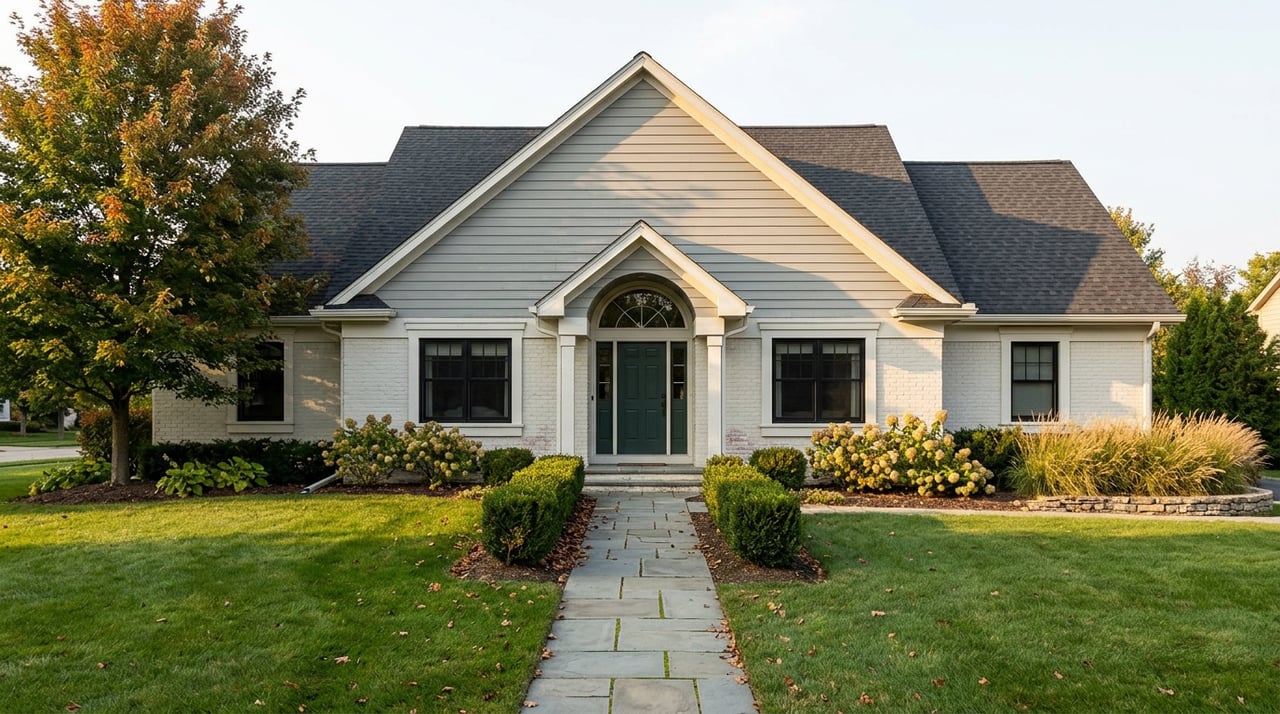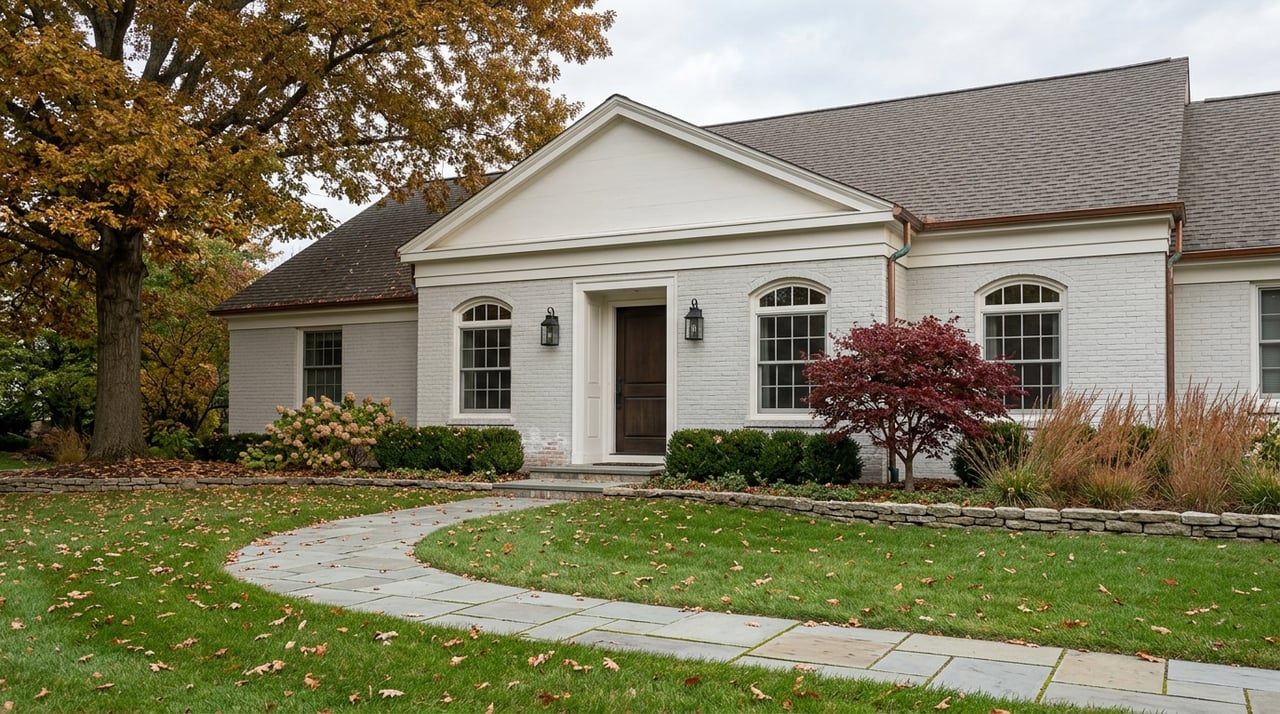
Selling a historic home in St. Louis can feel like balancing charm, paperwork, and timing all at once. You want to highlight what makes your property special, but you also want to avoid last-minute inspection issues, repair surprises, or buyer concerns that slow the sale down. The good news is that with the right prep, you can protect your timeline, market the home honestly, and reduce costly surprises before they show up in negotiations. Let’s dive in.
Know the St. Louis Rules First
Before you list a historic home in the City of St. Louis, it helps to separate local requirements into a few different buckets. That is important because one approval does not replace the others.
According to the City of St. Louis residential occupancy rules, every parcel in the city is treated as part of a Housing Conservation District. For residential sales, a Certificate of Inspection is required before occupancy is permitted, and a new certificate is needed if the home is sold and one has not been issued in the previous 12 months.
That city inspection is a basic code inspection for minimum interior and exterior standards. It is not a warranty of the home’s overall condition. The city also requires water and electric service to be operable during the inspection, and if violations are found, the owner has 30 days to make repairs.
Historic Status Can Change Your Timeline
If your property is located in a City Historic District or is a City Landmark, exterior work may need another level of review. The Cultural Resources Office reviews exterior work on those properties, and the city states that permits are required for most exterior work in historic districts except painting wood trim.
That matters if you are planning to replace windows, repair tuckpointing, change doors, add fencing, or update gutters and downspouts before listing. The city notes that no permit may be issued without Cultural Resources Office or Preservation Board approval when that review applies.
A key detail many sellers miss is that National Register listing alone does not create the same local review requirements for a private owner. The city’s historic resources guidance makes that distinction clear. In other words, it is important to confirm your home’s exact designation instead of assuming every “historic” label means the same thing.
Why This Matters Before Listing
If you wait until a buyer is under contract to sort out permits or approval questions, your sale can become more stressful and expensive. Exterior repairs may take longer than expected, especially if plans need to be revised before approval.
The city notes that some smaller projects may be handled through CRO Hotspot or preliminary review options. If you are thinking about pre-listing updates, checking this early can help you avoid wasting time and money on work that may need to be rethought.
Expect Buyers to Focus on Systems
Buyers usually do not walk away from a historic home because it is old. They tend to get nervous when they see safety concerns, moisture problems, or major system issues that feel open-ended.
The American Society of Home Inspectors notes that historic homes are more likely to have outdated or neglected systems, settling foundations, water intrusion, obsolete wiring, older plumbing materials, pests, and lower energy efficiency than newer homes. Their guidance on historic home inspections makes a useful point for sellers: age alone is not the problem. Uncertainty is.
Electrical Concerns
Older wiring often becomes a negotiation point. ASHI explains in its article on old wiring methods that knob-and-tube wiring may lack grounding, may be overfused, and can raise insurance underwriting concerns.
If your home has older electrical components, buyers may ask whether the system has been updated, partially replaced, or evaluated. Even when the system is functioning, outdated wiring can create hesitation if there is little documentation.
Plumbing Concerns
Plumbing is another area where historic homes can trigger extra questions. ASHI notes that older homes may still contain lead pipe, visible leaks, sewer gas odors, or hidden damage behind walls, and that a typical inspection reviews supply, drain, waste, vent, shutoff systems, and water-heater conditions through what is visible and accessible.
For sellers, that means it is smart to gather any records you have for plumbing updates or repairs. Buyers often feel more comfortable when they can see what has already been addressed.
Roof and Moisture Issues
Water intrusion can quickly become a deal killer. ASHI specifically identifies water intrusion and mold as common concerns in historic homes, and attic or roof conditions can make repairs more involved.
If you have active leaks, staining, or unresolved drainage issues, these items deserve attention early. They are the kinds of defects that can shift negotiations from minor credits to major price discussions.
Foundation and Exterior Wear
Historic homes often show normal age in masonry, decks, and structural components. ASHI points to settling foundations and decaying wood decks as recurring issues in older properties.
In St. Louis, exterior repairs can also overlap with historic review requirements. That is especially relevant for items like windows, doors, gutters, fences, and tuckpointing, which may need approval in a city historic district.
Lead Disclosure Is Not Optional
If your home was built before 1978, federal lead-based paint rules apply. The EPA’s real estate disclosure guidance says sellers and agents must provide the EPA pamphlet, disclose known lead-based paint or hazard information, share available records and reports, and give buyers a 10-day opportunity to conduct a paint inspection or risk assessment unless that opportunity is waived.
This is especially important for older St. Louis housing stock. The EPA says 87% of homes built before 1940 have some lead-based paint, which means the issue is common, not unusual.
The goal is not to alarm buyers. It is to handle the disclosure correctly and transparently so the transaction moves forward with fewer surprises.
Use a Pre-Listing Inspection Strategically
A city occupancy inspection and a buyer’s private inspection are not the same thing. The city’s process checks minimum standards, while a private inspection often goes deeper into systems, safety concerns, and maintenance issues.
ASHI notes in its discussion of home inspection deal breakers that many sellers choose a pre-listing inspection so they can discover issues before the buyer does. For a historic St. Louis home, that can be one of the smartest ways to reduce uncertainty.
A pre-listing inspection gives you time to decide what to repair, what to disclose, and what to price around. It can also help you organize documentation before your home hits the market, which tends to make buyer questions easier to answer.
Prioritize Repairs That Protect the Sale
Not every old-house issue needs to be fixed before listing. The most practical approach is to focus first on the problems most likely to delay financing, trigger strong buyer objections, or create safety concerns.
A smart repair priority list often looks like this:
- Make sure the home can meet the city’s Certificate of Inspection process
- Address active leaks or visible water intrusion
- Correct obvious electrical hazards or functional failures
- Review plumbing problems that affect daily use or raise health concerns
- Confirm whether exterior work in a historic district needs approval
- Gather records for past repairs, replacements, and maintenance
This approach lines up with both local requirements and the issues buyers tend to flag most often in older homes.
Get Your Disclosures Ready Early
In Missouri, the seller disclosure process is not something to leave until the last minute. The Missouri REALTORS Seller’s Disclosure Statement information explains that the form typically covers statutory disclosures, adverse material facts, environmental hazards, material defects, title issues, and repair history, and it should be updated if new information becomes known before closing.
For a historic home, good disclosure prep often includes:
- Known age or condition of major systems
- Past repairs or renovations
- Available records for electrical, plumbing, roofing, or foundation work
- Any known lead-related information for pre-1978 homes
- Information about prior exterior work if historic review may have applied
Clear documentation does not make an older home look worse. In many cases, it makes the home easier to trust.
Market Character Without Overpromising
The best historic-home marketing tells a clear, accurate story. Buyers respond well when they understand what is original, what has been repaired, and what has been replaced.
ASHI notes that owners and buyers of historic homes often underestimate the cost and logistics of maintenance, and that original materials may be harder to match when damage occurs. That is why precise language matters.
Instead of vague claims, your listing should be specific. If original floorboards remain, say that. If banisters are preserved but windows were later replaced, say that too. If systems have been updated, separate those updates from architectural character so buyers can appreciate both.
A Better Way to Frame the Listing
A strong historic-home listing often answers three questions:
- What original features remain?
- What improvements have been made?
- What inspections, approvals, or documentation are already available?
That kind of presentation helps buyers fall in love with the home’s character while still understanding the practical side of ownership. It also supports smoother negotiations because fewer questions are left hanging.
Build a Plan Before You Go Live
Selling a historic St. Louis home without costly surprises usually comes down to preparation. The safest path is to treat the city inspection, historic-district review, lead disclosure, and repair documentation as separate checklists instead of one all-purpose signoff.
When you have the right sequence in place, you can move faster, market more confidently, and reduce the odds of a deal getting derailed over something that could have been handled earlier. If you are getting ready to sell a historic property in St. Louis and want help creating a smart pre-listing plan, connect with the Laura Sanders Team for guidance on prep, presentation, and next steps.
FAQs
Do I need a city inspection to sell a historic home in St. Louis?
- Yes. The City of St. Louis says residential sales require a Certificate of Inspection before occupancy is permitted, and a new certificate is needed if one has not been issued in the previous 12 months.
Does the St. Louis city inspection guarantee the home is in good condition?
- No. The city states that the inspection checks minimum code standards and is not a warranty of the property’s overall condition.
Do all historic designations in St. Louis require exterior review?
- No. City Historic District and City Landmark properties may require Cultural Resources Office review for exterior work, but National Register listing alone does not automatically create the same local review for a private owner.
What issues do buyers focus on most in historic St. Louis homes?
- Buyers commonly focus on safety items, moisture or water intrusion, electrical systems, plumbing, roof condition, foundation concerns, and documentation for older materials or repairs.
What lead-based paint rules apply when selling an older St. Louis home?
- For homes built before 1978, federal law requires disclosure of known lead-based paint information, sharing available records, providing the EPA pamphlet, and giving buyers a 10-day opportunity for inspection unless waived.
Should I get a pre-listing inspection before selling a historic home in St. Louis?
- A pre-listing inspection can be helpful because it may uncover issues before a buyer does, giving you time to decide what to repair, disclose, or document before the home goes on the market.