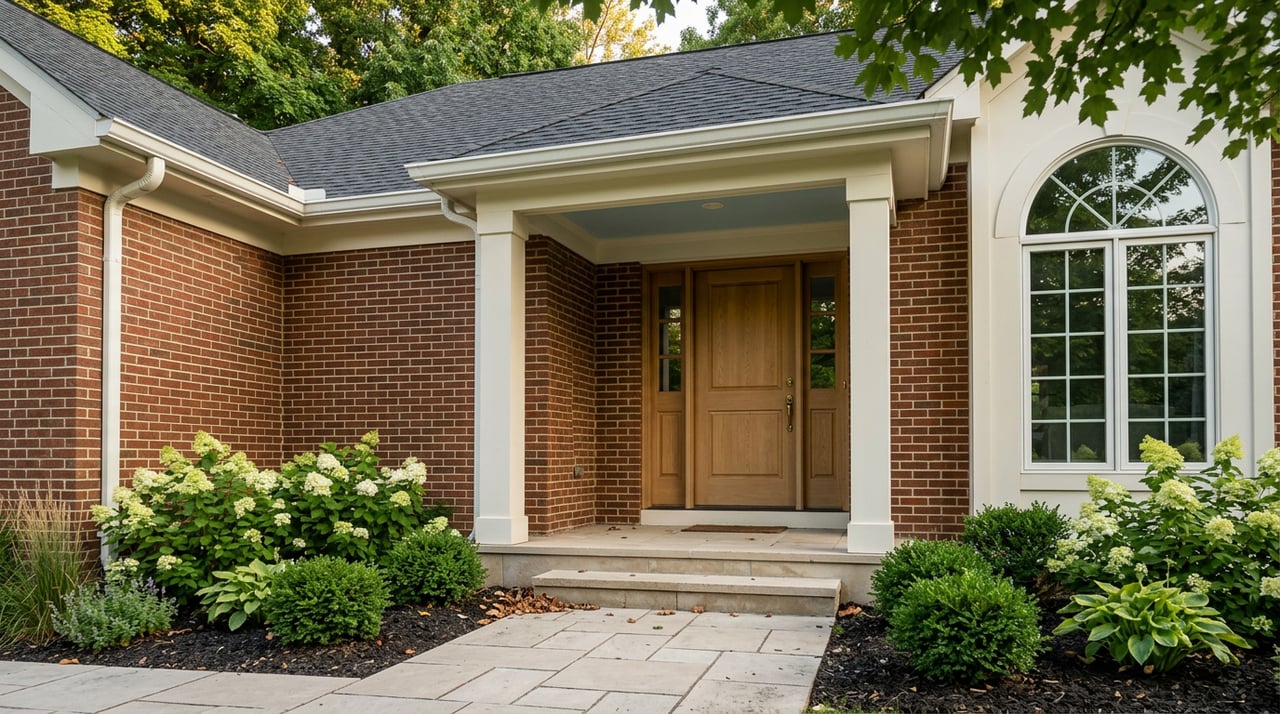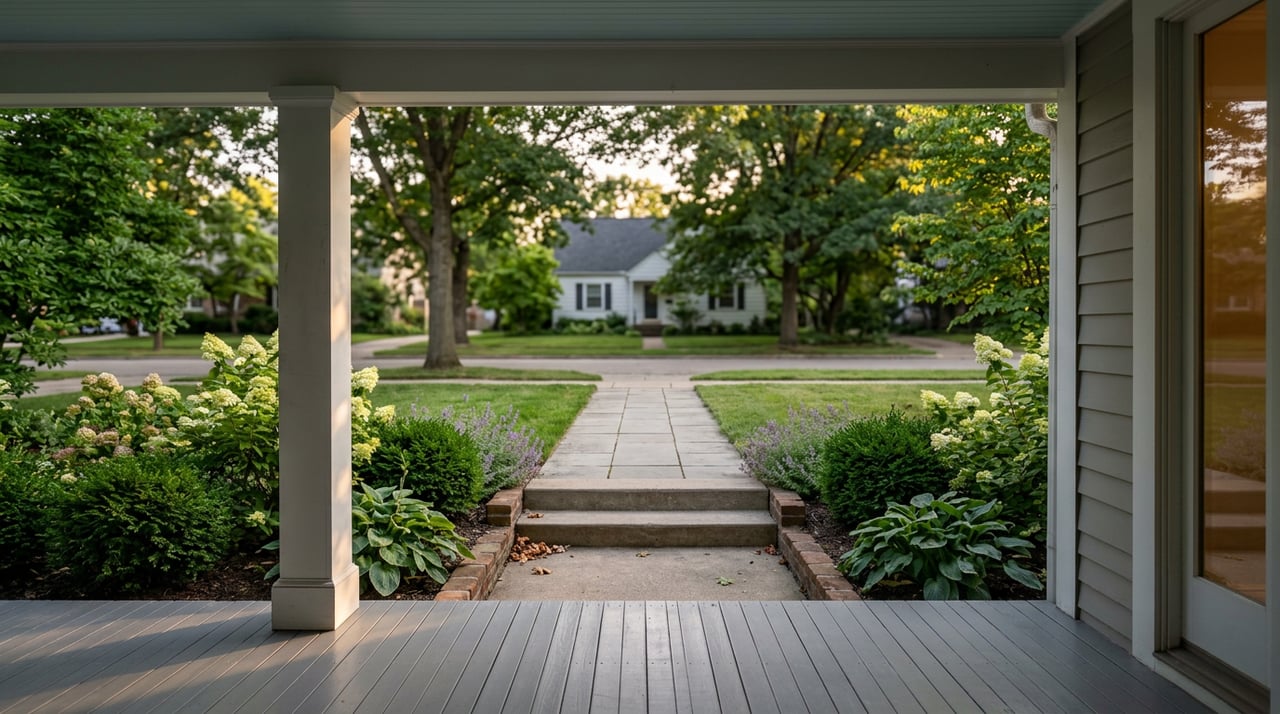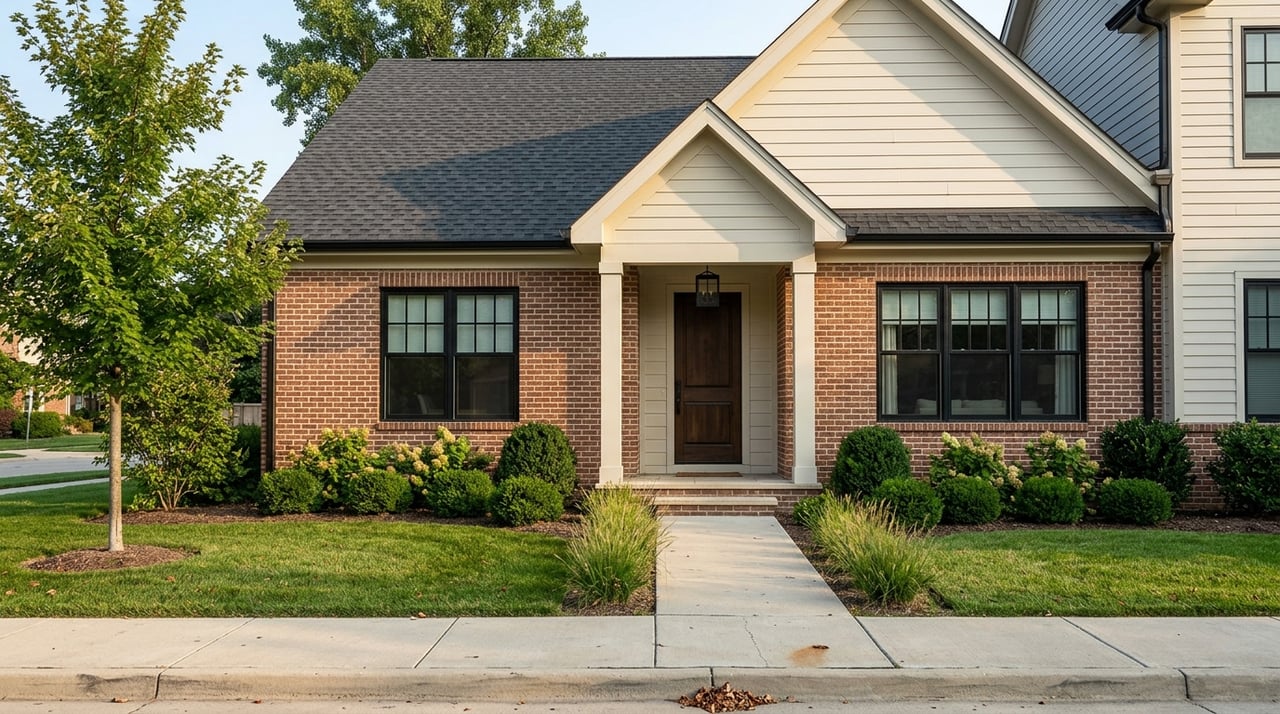
Choosing between St. Charles’ historic streets and its newer subdivisions is not just about square footage or style. It is about how you want to live day to day, what kind of upkeep you are comfortable with, and which trade-offs feel worth it to you. If you are deciding between the charm of Main Street or South Main and the convenience of newer neighborhoods, this guide will help you compare both sides with more confidence. Let’s dive in.
Historic St. Charles at a Glance
St. Charles has a well-defined historic core with deep local significance. According to the City of St. Charles Historic Preservation program, the city has 26 individual landmarks and 6 historic districts containing more than 3,000 properties.
That historic footprint is only part of the picture, though. The city also notes that large residential subdivisions make up much of St. Charles north and south of I-70, which means buyers often end up comparing two very different living experiences within the same city.
What Life Near Main Street Feels Like
If you are drawn to character, walkability, and a lively setting, the historic core may immediately stand out. Discover St. Charles describes Main Street as a 200-year-old brick-paved historic district with more than 125 shops and over 25 restaurants.
The area is designed for strolling and visiting. You also have practical support for busy days downtown, including ParkSTC real-time parking information and the free trolley with stops that include Main Street & Perry, the Visitors Center, and North Main Colonnade.
The city formally defines the Main Street area as a special business district, which helps show how established and structured this part of St. Charles really is. If you want an environment with foot traffic, historic surroundings, and destinations close by, this area offers a very distinct lifestyle.
Historic Home Style and Details
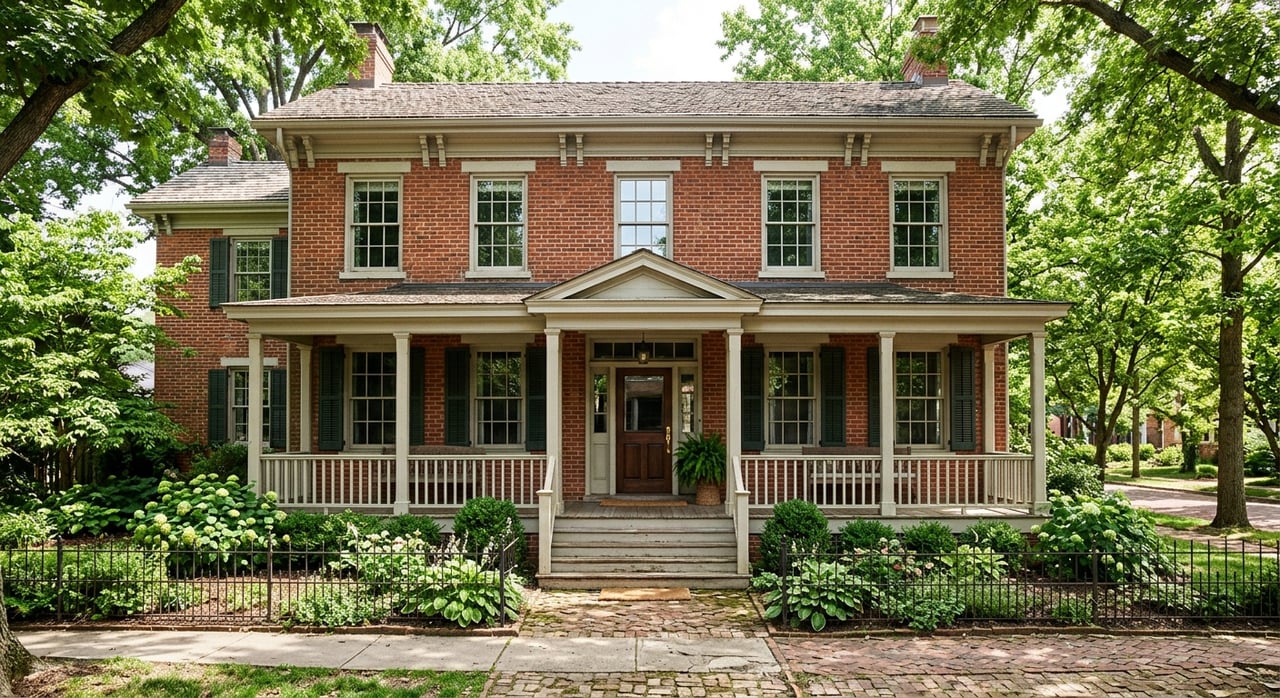
Homes and buildings near South Main often reflect older architectural styles and handcrafted details that are hard to duplicate in newer construction. The city’s South Main design guidelines reference Federal-influenced vernacular, Greek Revival, Italianate, and Victorian-era architecture.
You may also notice features like porches, balconies or galleries, tall narrow windows, decorative brackets, and masonry or wood-frame detailing. For many buyers, those details are the reason historic properties feel special from the start.
What Newer Subdivisions Offer
If your priority is a more conventional residential setup, newer subdivisions may feel easier to navigate. In St. Charles, the city’s Planning and Zoning Division and development review process handle zoning compliance, site plans, subdivision review, permits, and related approvals through standard channels.
That does not mean every newer neighborhood is the same. It does usually mean, however, that buyers in newer subdivisions face fewer historic-preservation restrictions on exterior changes than buyers in the historic core.
Some newer communities also bring a more planned layout and modern development approach. For example, the city describes New Town as a new urbanist mixed-use development established in 2003 with ongoing construction, walkability, a mix of housing types, and public spaces and amenities within walking distance.
Why Buyers Often Prefer Newer Homes
Newer homes can appeal to buyers who want more current construction standards and fewer surprises around exterior approvals. The city’s Building Division enforces current building codes, issues permits, and performs inspections for new and existing construction.
For some buyers, that translates into a more straightforward ownership experience. If you value predictability, newer layouts, and less concern about preserving original materials, a newer subdivision may be the better fit.
The Biggest Trade-Off: Character vs Flexibility
This is often the real decision point. Historic streets tend to offer charm, architectural detail, and a walkable setting, while newer subdivisions often offer more flexibility for updates and a more typical suburban routine.
Neither option is automatically better. The right choice depends on whether you want a home that feels deeply tied to St. Charles history or a home that may be easier to modify over time.
Historic District Rules to Know
If you are considering a home in a historic district, it is important to understand the approval process before you buy. The city says that exterior changes in historic districts may require Landmarks Board approval, including work involving windows, doors, siding, porches, fences, decorative elements, demolition, and new construction.
The city also notes that a Certificate of Appropriateness is part of the process, and the requirements are more stringent than in the city as a whole. Some maintenance work may not need approval, but you should verify that before planning a project.
Why Maintenance Can Be More Involved
Older homes often need a different kind of care. The South Main guidelines explain that historic windows on primary facades are expected to be preserved, and new street-visible windows are not permitted.
The same guidelines also discuss routine upkeep such as caulking, weather-stripping, and repointing mortar to help address energy loss and deterioration. In practical terms, this means a historic home can be very rewarding, but exterior projects may require more planning, more specialized repairs, and more patience.
HOA Costs in Newer Subdivisions
While newer subdivisions may involve fewer preservation rules, they can introduce a different layer of responsibility through homeowners associations. The Consumer Financial Protection Bureau notes that some neighborhoods require homeowners to join an HOA and that dues are usually paid directly to the association, not through your mortgage servicer.
Those dues can vary widely, so they should be part of your affordability review from the start. In many cases, buyers are weighing one form of oversight against another: preservation rules in historic areas versus HOA dues and subdivision covenants in newer neighborhoods.
Financial Incentives for Historic Properties
Historic ownership can come with opportunities as well as restrictions. Missouri State Parks says the state historic preservation tax credit program is available for qualifying certified historic structures, including owner-occupied homes at the state level.
The city also points owners toward façade grants and state tax credit resources. If you are considering a qualifying historic property, it may be worth asking early whether any preservation-related incentives could apply to your plans.
Questions to Ask Before You Choose
Before you commit to either option, make sure you understand the practical details of the specific property. A beautiful historic home or a polished newer subdivision can both look great on first showing, but the day-to-day fit comes down to the fine print.
Here are a few smart questions to verify:
- Is the property located inside a historic district?
- What exterior work requires approval?
- Is there an HOA, and what are the monthly dues?
- Are there subdivision covenants that affect exterior changes?
- Does floodplain review or flood insurance apply?
- Do the lot, garage, and parking setup fit your routine?
The city says St. Charles participates in the National Flood Insurance Program, and floodplain status must be verified through outside determination rather than by the city itself. That is an important step no matter which part of St. Charles you are considering.
Which Option Fits Your Lifestyle?
If you love being near restaurants, shops, historic architecture, and a more pedestrian-oriented setting, the Main Street or South Main area may feel like home. If you prefer a more conventional neighborhood setup with fewer preservation constraints and more modern construction standards, a newer subdivision may make more sense.
The key is matching the home to your routine, budget, and comfort level with maintenance or rules. When you compare these options clearly, you are much more likely to choose a home that still feels right long after closing day.
If you want help weighing historic character against newer-home convenience in St. Charles, the Laura Sanders Team can help you compare options, ask the right questions, and move forward with confidence.
FAQs
What is the difference between historic streets and newer subdivisions in St. Charles?
- Historic streets usually offer walkability, older architecture, and preservation rules, while newer subdivisions generally offer more modern construction patterns, fewer historic-review constraints, and may include HOA dues.
What should you check before buying a historic home in St. Charles?
- You should verify whether the property is inside a historic district, what exterior changes require approval, and whether a Certificate of Appropriateness may be needed for planned work.
What costs should you review when buying in a newer subdivision in St. Charles?
- You should ask about HOA membership, monthly dues, and any subdivision covenants, and include those costs in your overall monthly affordability review.
What transportation and parking options exist near Main Street in St. Charles?
- Main Street visitors and residents can benefit from ParkSTC real-time parking information and a free trolley with stops that include Main Street & Perry, the Visitors Center, and North Main Colonnade.
What maintenance issues are common with historic homes in St. Charles?
- Historic homes may require more specialized upkeep, including preserving original windows on primary facades and handling routine repairs such as caulking, weather-stripping, and repointing mortar.
What flood-related question should buyers ask in St. Charles?
- You should verify whether floodplain review or flood insurance applies, since the city notes that floodplain status must be confirmed through an outside determination.